The Impact of ‘Horse Racing Not On’ in the UK: Understanding the Landscape
In recent years, the phrase UK horse racing not on GamStop horse racing not on GamStop has surfaced within discussions surrounding the gambling industry in the UK. This phrase hints at a much larger conversation regarding the accessibility of horse racing venues, the fluctuations in horse racing schedules, and the availability of alternative betting platforms. Understanding this phenomenon is crucial for bettors, fans, and industry stakeholders alike.
The State of Horse Racing in the UK
Horse racing is one of the most beloved sports in the UK, boasting a rich history and a dedicated following. Major events such as the Grand National and Royal Ascot draw massive crowds and billions in bets each year. However, the industry is not without its challenges. Variations in schedules due to weather, health concerns, or regulatory changes can lead to races being called off, creating uncertainty for fans and bettors.
Impact of Scheduled Races Being Cancelled
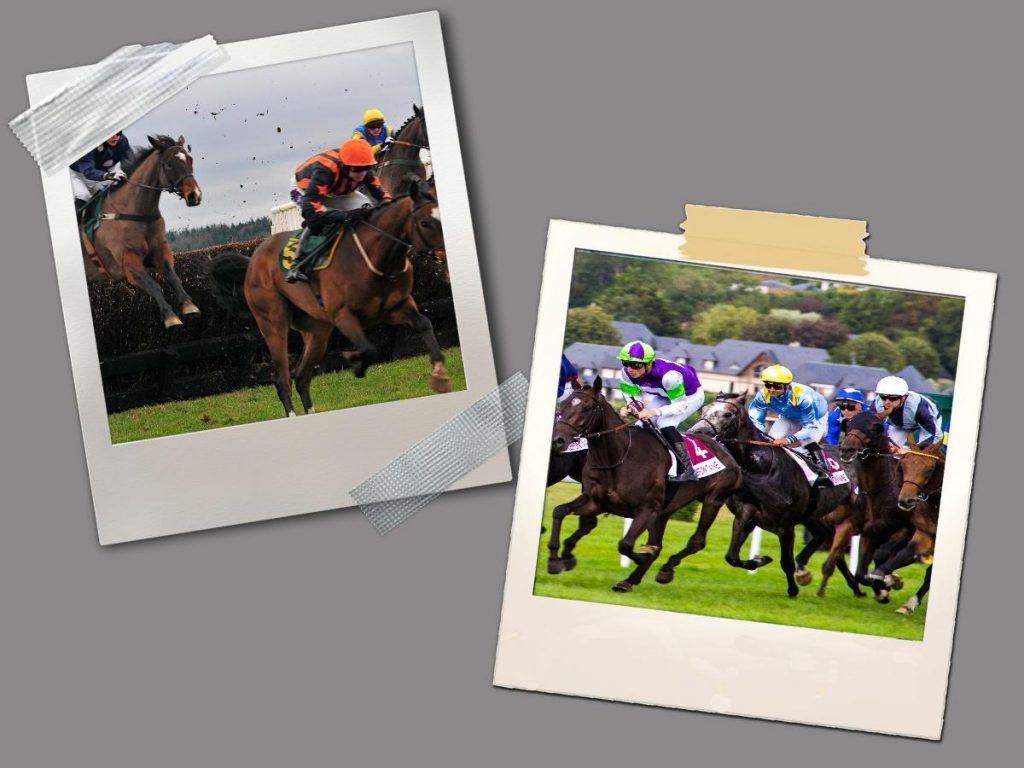
When horse racing events are cancelled or postponed, it affects not only the betting dynamics but also the horse owners, trainers, and the economy surrounding the racing venues. For instance, races provide significant income to surrounding businesses including hotels, restaurants, and local shops. The cancellation of races often leads to a ripple effect that can cripple local economies reliant on this influx of visitors.
The Role of Alternative Betting Platforms
In response to the fluctuations in traditional horse racing schedules, many bettors are turning to alternative platforms for gambling. Particularly, the phrase ‘horse racing not on’ highlights the emergence of various online betting platforms that operate outside the strict regulations of GamStop, the self-exclusion program in the UK. Such platforms provide bettors with the opportunity to engage in gambling activities even when mainstream events are not available.
Understanding GamStop and Its Implications
GamStop is designed to help individuals who struggle with gambling addiction by allowing them to self-exclude from participating in online gambling activities across licensed operators. While this program has its merits, it inadvertently creates a vacuum for those looking for alternative betting options when they can’t participate in traditional horse racing events. This enables some individuals to seek out platforms that are not affiliated with GamStop.
The Risks of Betting on Unregulated Sites
While non-GamStop related betting options appeal to many who face gaming restrictions, they come with significant risks. These sites may not adhere to the same stringent regulations as GamStop-compliant operators, potentially exposing users to fraudulent practices, unfair betting conditions, and a lack of responsible gambling measures. Bettors are encouraged to proceed with caution and conduct thorough research before engaging with any unregulated platform.
The Community Response
The UK horse racing community remains highly engaged in discussions surrounding unregulated betting platforms. Advocacy for responsible gambling practices is critical, and many associations are exploring ways to enhance player protections while ensuring access to the engaging world of horse racing. Promoting awareness about the pros and cons of alternative betting options is essential as the landscape continues to evolve.
Future of Horse Racing in the UK
Looking ahead, the future of horse racing in the UK appears to be intertwined with developments in both the physical tracks and the digital betting world. The continued success of the sport may hinge on how well stakeholders in the industry can adapt to changes in consumer demand and the regulatory environment. Building a robust strategy that prioritizes transparency, security, and responsible gambling practices will be vital.
Engaging with New Audiences
As the digital age progresses, attracting younger audiences to the sport will also play a crucial role. Using social media platforms, online streaming, and interactive betting apps can help modernize the appeal of horse racing and keep fans engaged. Creating an inclusive and dynamic environment will be essential for retaining interest and participation in the sport.
Conclusion
In conclusion, the phrase ‘horse racing not on’ encapsulates the complexities currently faced by the UK horse racing industry. As traditional racing schedules are sometimes disrupted, it’s essential for bettors and fans to be aware of their options, including alternative betting platforms, while also being cautious of the associated risks. The future will depend on maintaining the integrity of the sport and ensuring that it remains accessible and enjoyable for all audiences.